
Magnetic Assemblies / Magnetic Bases
Magnetic Bases: Stable Adjustable Mounting for Industrial Equipment
Magnetic bases provide a stable removable foundation for indicators, lights, sensors and tooling. Selection should reflect base footprint, surface condition, overturning moment, adjustment hardware and the need for fast release.
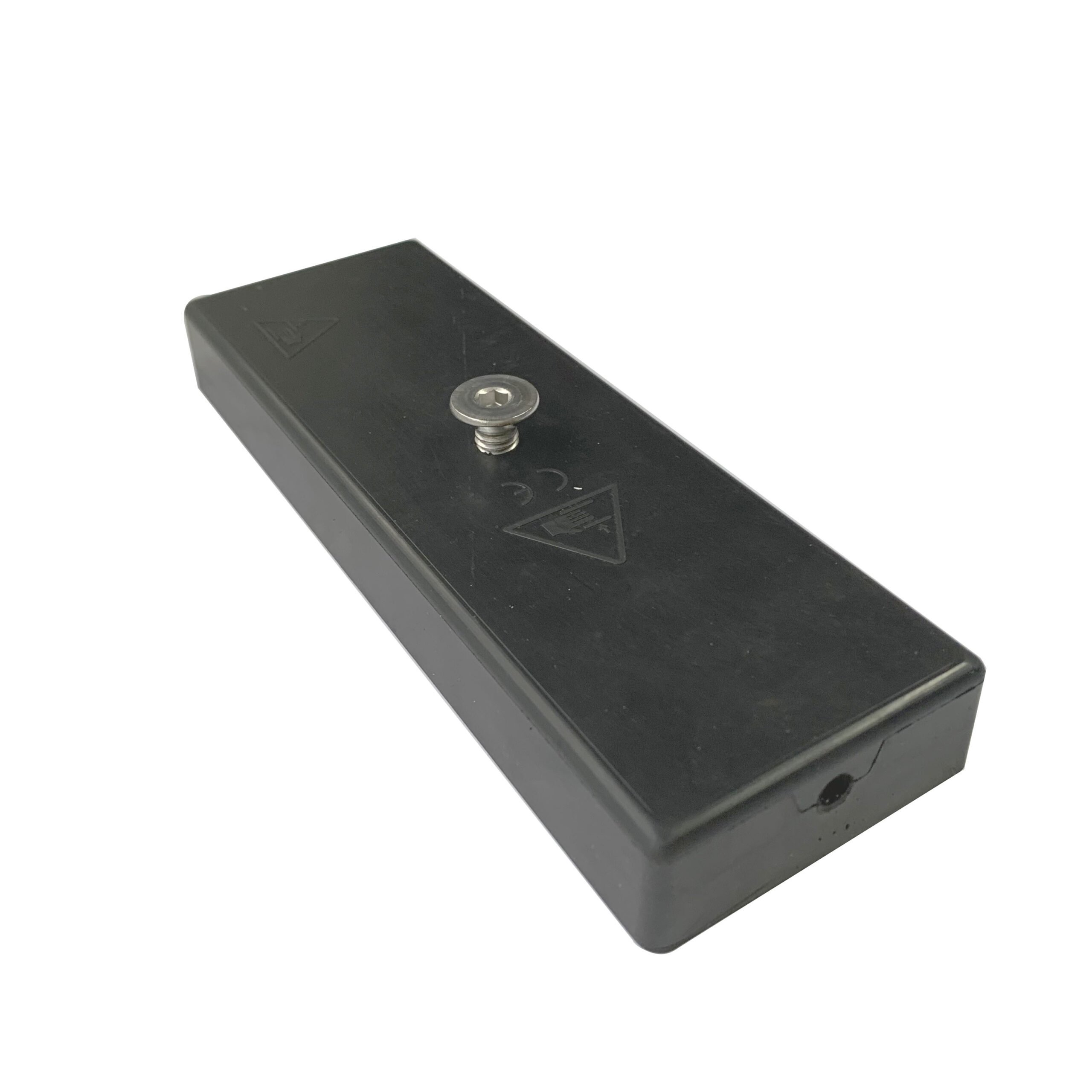
Geometry and Dimension Definition
Use functional datums and define the magnetization reference on the drawing. The table below provides the minimum geometry information for a practical manufacturing review.
| Parameter | How to define it | Why it matters |
|---|---|---|
| Base footprint | Contact length and width | Defines stability and usable pole area |
| Base height | Body and switch envelope | Controls clearance and center of gravity |
| Top interface | Thread, dovetail or arm mount | Connects the supported equipment |
| Rated force and moment | Test condition plus allowable overturning load | Reflects real mounted use better than pull force alone |
Design Considerations
Overturning moment
A long arm or heavy sensor can peel the base even when direct pull force is high.
Switchable circuit
A magnetic shunt enables easier placement and removal but requires durable internal alignment.
Contact quality
Flat, clean, sufficiently thick steel is necessary for the rated performance.
Manufacturing and Assembly Notes
- Mounting arms amplify load at the base edge.
- Thin machine guards may flex or saturate.
- Swarf can prevent full seating and damage precision surfaces.
- Partial switch engagement can create an unsafe intermediate state.
Typical Applications
Dial indicator stands
Stable metrology mounting on machine tools.
Machine lighting
Repositionable task lights.
Sensors and cameras
Temporary industrial monitoring positions.
Fabrication aids
Adjustable support and reference mounts.
Engineering Questions
Why does arm length matter?
It converts payload weight and external force into an overturning moment that can peel the base.
What steel thickness is required?
It depends on pole layout and force; test on the actual structure rather than assuming thick-plate results.
How should the base be maintained?
Keep the face clean, inspect the switch and hardware, and protect precision surfaces from impacts.
Can it mount to vertical steel?
Yes, within verified shear and moment limits and with a secondary restraint where failure is hazardous.
For a focused design review, share your drawing, operating temperature, air gap, target magnetic performance and annual volume through our enquiry page. You can also return to Magnetic Assemblies for material-level guidance.