
Complete Magnetic Assembly Solutions
More than magnets. We design complete magnetic systems around force, fit, environment, assembly and repeatable production.
Engineering Value Beyond Individual Magnets
Our technical sales team coordinates magnetic performance, mechanical interfaces, materials and assembly risk before quoting.
Engineering Support
Translate force, flux, temperature and mechanical constraints into a practical assembly specification.
Material Integration
Combine NdFeB, SmCo or ferrite with steel, aluminum, plastic, rubber, adhesives and coatings.
Precision Assembly
Control magnet orientation, air gaps, concentricity, bonding and critical mechanical interfaces.
Cost Optimization
Review the magnetic circuit and component stack to reduce material, machining and assembly cost.
Rapid Prototyping
Validate fit, holding force, torque or sensing output before committing to repeat production.
Traceable Supply
Align inspection records, batch control and packaging with the customer’s sourcing requirements.
Magnetic Assembly Categories
Start with a standard category or send a drawing for a custom review.
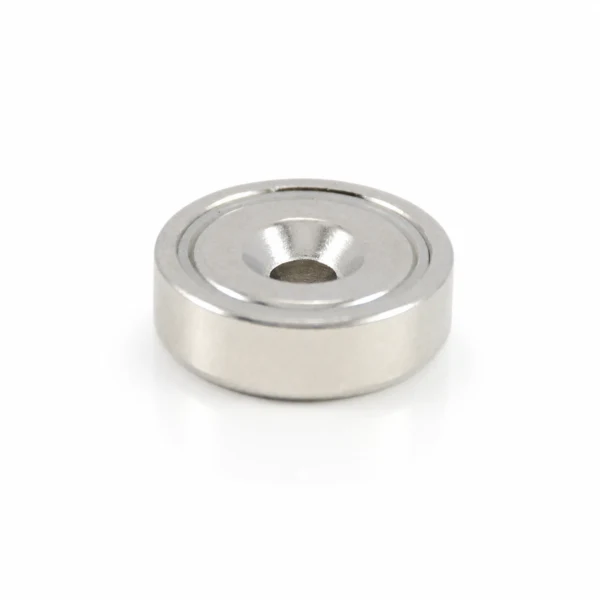
Pot MagnetsHigh holding force in compact steel circuits
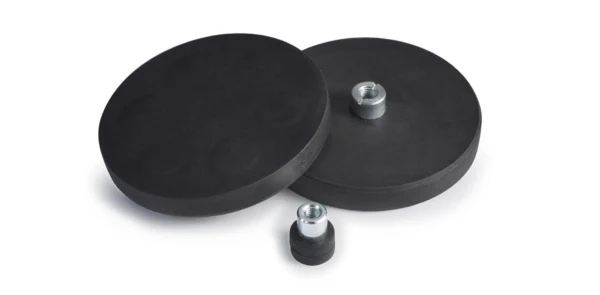
Rubber Coated MagnetsSurface protection and improved grip
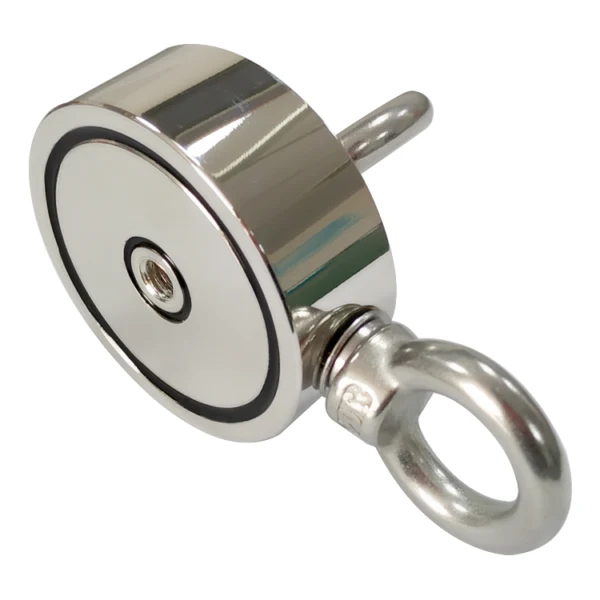
Fishing MagnetsHeavy-duty recovery assemblies
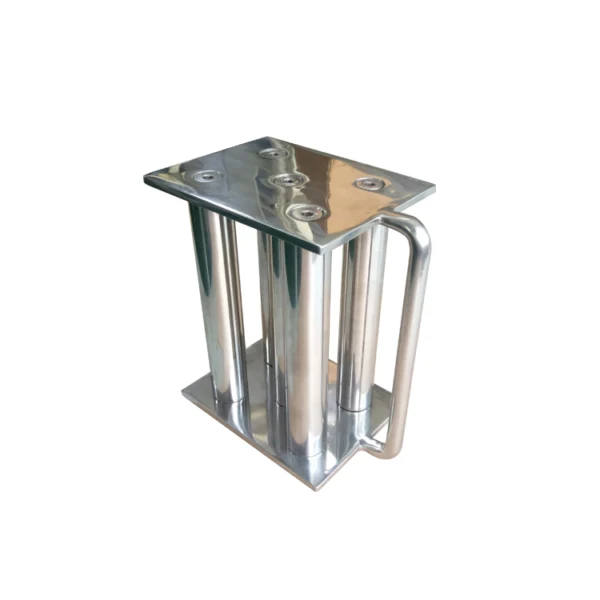
Magnetic FiltersFood, chemical and coolant separation
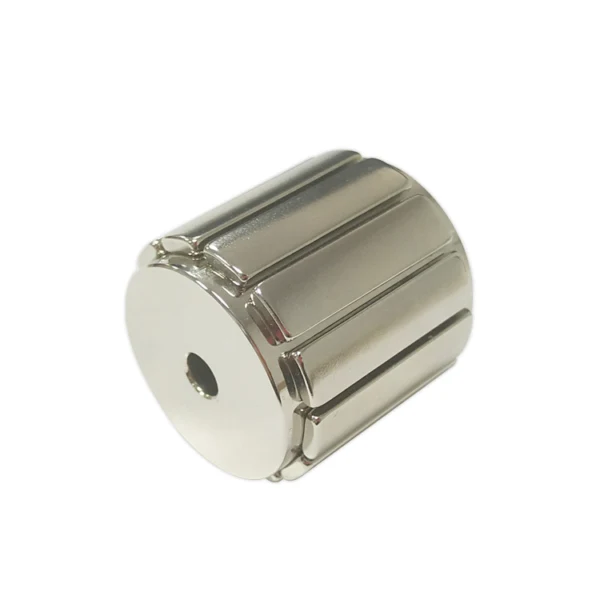
Rotor MagnetsBalanced motor and drive assemblies
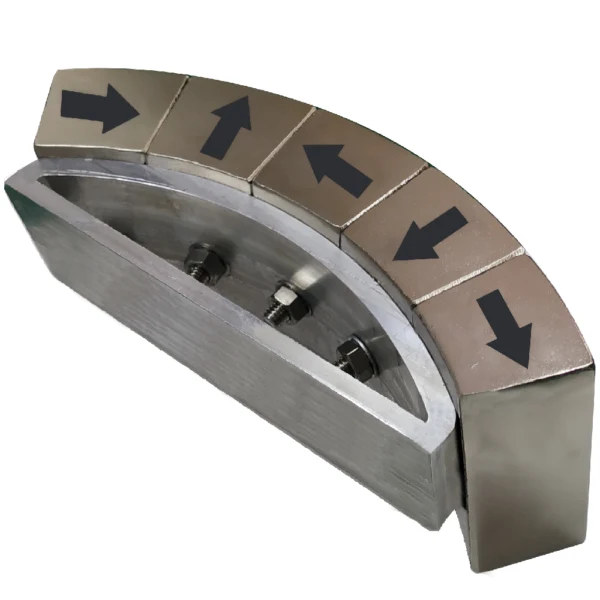
Halbach ArraysDirected flux and field concentration
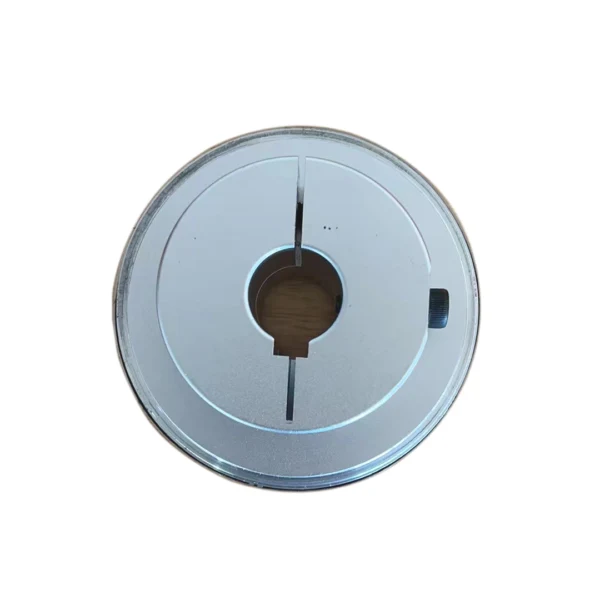
Magnetic CouplingsNon-contact torque transmission
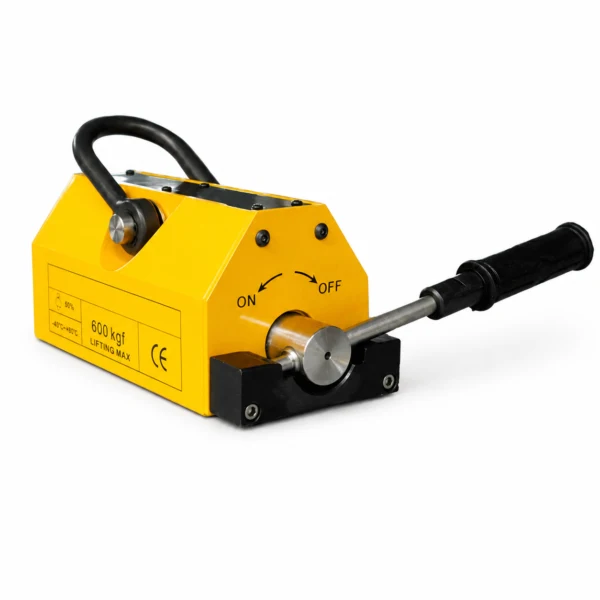
Magnetic HoldersReusable industrial mounting
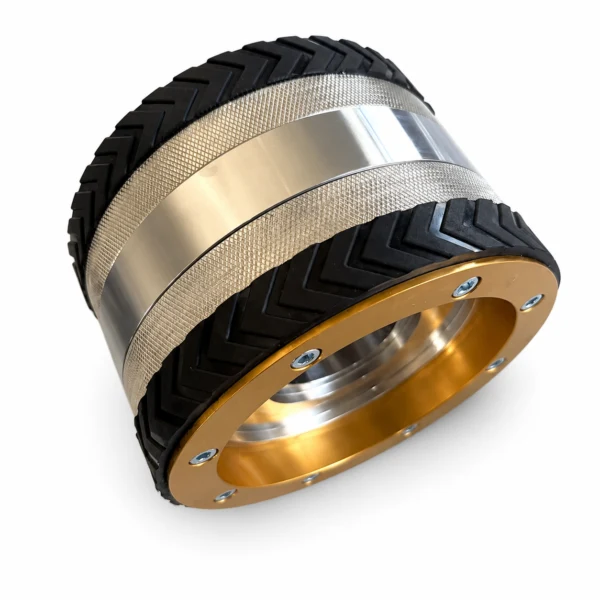
Magnetic WheelsClimbing Capability and High Torque
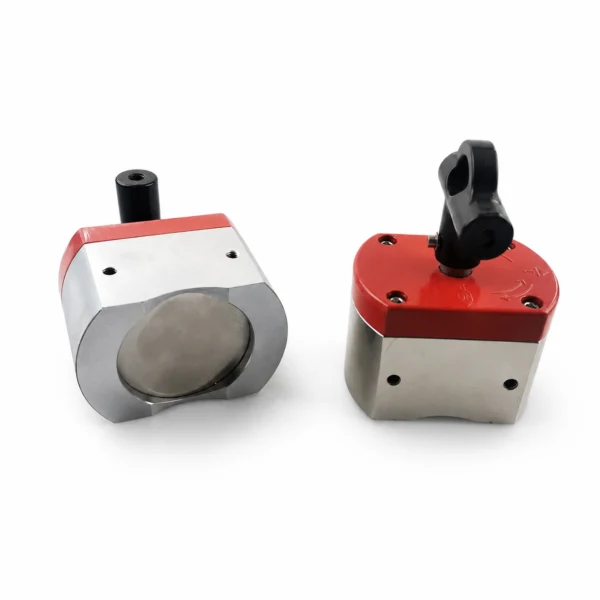
Magnetic FixturesRepeatable workholding and location
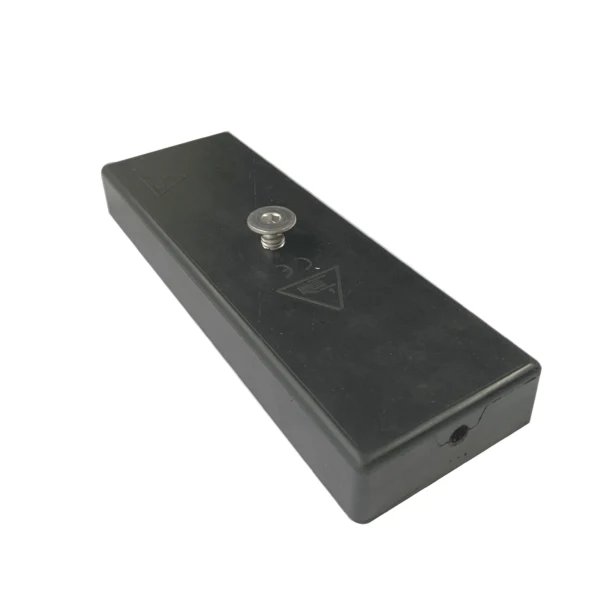
Magnetic BasesStable, adjustable equipment mounting
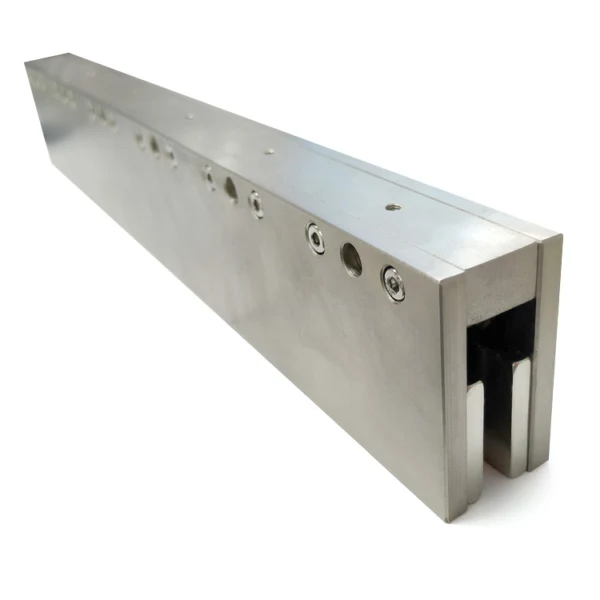
Custom AssembliesDrawing-based multi-material systemsFrom Components to a Verified Assembly
Clear technical checkpoints reduce uncertainty before repeat production.
- 01Magnet Selection
- 02Steel Parts
- 03Plastic / Rubber
- 04Machining
- 05Bonding & Assembly
- 06Magnetization
- 07Full Inspection
- 08Protected Packaging
Customization & Integration Options
Mechanical, magnetic, process and commercial details are coordinated as one supply plan.
Engineering & Product Options
- Threaded inserts and fasteners
- Structural adhesive selection
- Laser welding or mechanical retention
- Laser marking and traceability
Production & Delivery Options
- Injection molding and overmolding
- Nickel, zinc, epoxy and custom finishes
- Customer-specific packaging
- Customer-supplied component integration
Application-Focused Assembly Support
Representative engineering patterns illustrate how we structure technical discussions. Final solutions depend on the customer’s actual requirements.
Robotics & Automation
- CHALLENGE
- Compact magnetic circuit with controlled interfaces
- ENGINEERING DIRECTION
- Assembly drawing, prototype and repeatable inspection plan
Motors & Rotors
- CHALLENGE
- High speed, temperature and retention risk
- ENGINEERING DIRECTION
- Matched segments, bonding process and magnetic verification
Medical & Instruments
- CHALLENGE
- Clean geometry and consistent magnetic response
- ENGINEERING DIRECTION
- Material selection, controlled assembly and traceability
Wind & Energy
- CHALLENGE
- Large geometry and long operating life
- ENGINEERING DIRECTION
- Multi-piece design, corrosion protection and lot control
Door & Access Systems
- CHALLENGE
- Holding force, noise and lifecycle requirements
- ENGINEERING DIRECTION
- Optimized steel circuit and compact mechanical integration
Consumer Products
- CHALLENGE
- Appearance, handling and scalable cost
- ENGINEERING DIRECTION
- Coating, fit and packaging optimized for volume supply
Common Technical Questions
Practical answers for engineering and procurement teams.
Can you assemble customer-supplied parts?
Yes. We can review customer-supplied steel, plastic, machined or electronic parts and define incoming inspection, assembly responsibility and traceability before production.
Can you perform pull-force testing?
Yes. Pull force, torque, surface field, magnetic moment and other functional checks can be included when the test fixture, surface condition and acceptance method are agreed.
Do you provide DFM support?
Yes. We review tolerances, adhesive gaps, retention, magnetization, coating, inspection access and assembly sequence before sampling.
How do you prevent magnets from detaching?
Retention is selected from operating speed, temperature, vibration and environment. Options include structural adhesive, mechanical capture, overmolding, welding or combined methods.