
APPLICATION ENGINEERING

Magnetic Solutions Built Around the Application.

From target force and air gap to temperature, corrosion and production volume, we translate operating requirements into practical magnet and magnetic assembly specifications.

Application-First Material SelectionCustom Magnetic CircuitsPrototype to Repeat Supply
START WITH FUNCTION, NOT A GRADE

Define What the Magnetic System Must Do

A magnet grade alone does not determine application performance. Our technical sales team reviews the complete magnetic circuit and the real operating environment before recommending material, geometry, coating or assembly construction.

01Target Output

Holding force, field, torque, sensing distance, coupling or separation efficiency.

02Operating Environment

Temperature, moisture, salt, chemicals, pressure, speed, vibration and duty cycle.

03Mechanical Interface

Envelope, air gap, mating steel, tolerance stack, fastening, bonding and assembly access.

04Production Plan

Prototype quantity, annual demand, inspection method, compliance and supply expectations.

SELECTED APPLICATION SECTORS

Where Magnetic Design Becomes System Performance

Each sector creates a different balance of magnetic output, mechanical integration, environmental protection and production repeatability.
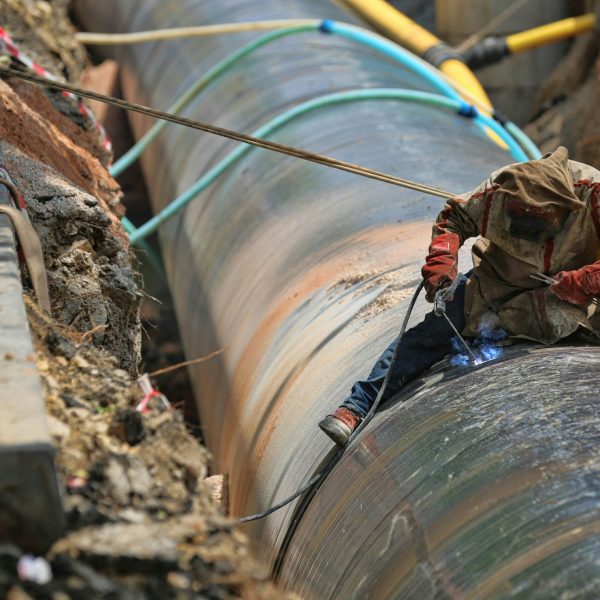
Pipeline inspection magnetic assembly
PROCESS & INFRASTRUCTURE

Pipeline Inspection & Pigging

High-energy magnetic circuits for flux leakage inspection, debris collection and pipeline tools. We review pole geometry, wear protection, operating clearance and replaceable module construction.

High Flux DensityWear ProtectionModular Assembly
Subsea recovery magnetic system
HARSH ENVIRONMENTS

Subsea, Recovery & Holding Tools

Protected magnets and engineered housings for recovery, positioning and workholding in moisture, pressure and corrosive environments. Sealing, coating and safe load margins are designed together.

Corrosion ControlEncapsulationPull-Force Margin
Wind turbine and motor magnets
MOTION & ENERGY

Motors, Rotors & Power Generation

Arc segments, rotor assemblies and high-coercivity grades for torque-dense motors, generators and servo systems. Thermal stability, magnetization pattern and retention method are matched to speed and duty cycle.

Arc SegmentsHigh TemperatureRotor Retention
Magnetic components for electronics and sensors
COMPACT SYSTEMS

Sensors, Actuators & Electronics

Thin rings, multipole parts and compact assemblies for position sensing, haptics, speakers, switches and charging alignment. Field profile and tolerance control support consistent device-level behavior.

Multipole PatternsTight ToleranceLow-Profile Design
COMMON ENGINEERING CHALLENGES

Design Decisions That Protect Performance

We identify the constraints most likely to affect performance, reliability or production stability before they become tooling or field problems.

01

Limited Space or Air Gap

Optimize grade, pole layout and return steel to concentrate useful flux without simply increasing magnet volume.

02

Heat & Demagnetization

Match intrinsic coercivity and circuit load line to maximum temperature, duty cycle and irreversible loss limits.

03

Moisture & Corrosion

Select coating, edge preparation, encapsulation and sealing based on exposure—not by coating name alone.

04

Vibration & High Speed

Review adhesive, mechanical retention, balance and assembly stress for rotors and dynamic equipment.

05

Force Consistency

Define the measurement fixture, mating material and acceptance method so production results match application needs.

06

Scaling the Assembly

Turn a working prototype into a repeatable process with controlled magnetization, bonding, fixturing and inspection.

Scroll to Top