
Applications / Subsea, Recovery & Holding Tools
Subsea Magnetic Holding Assemblies
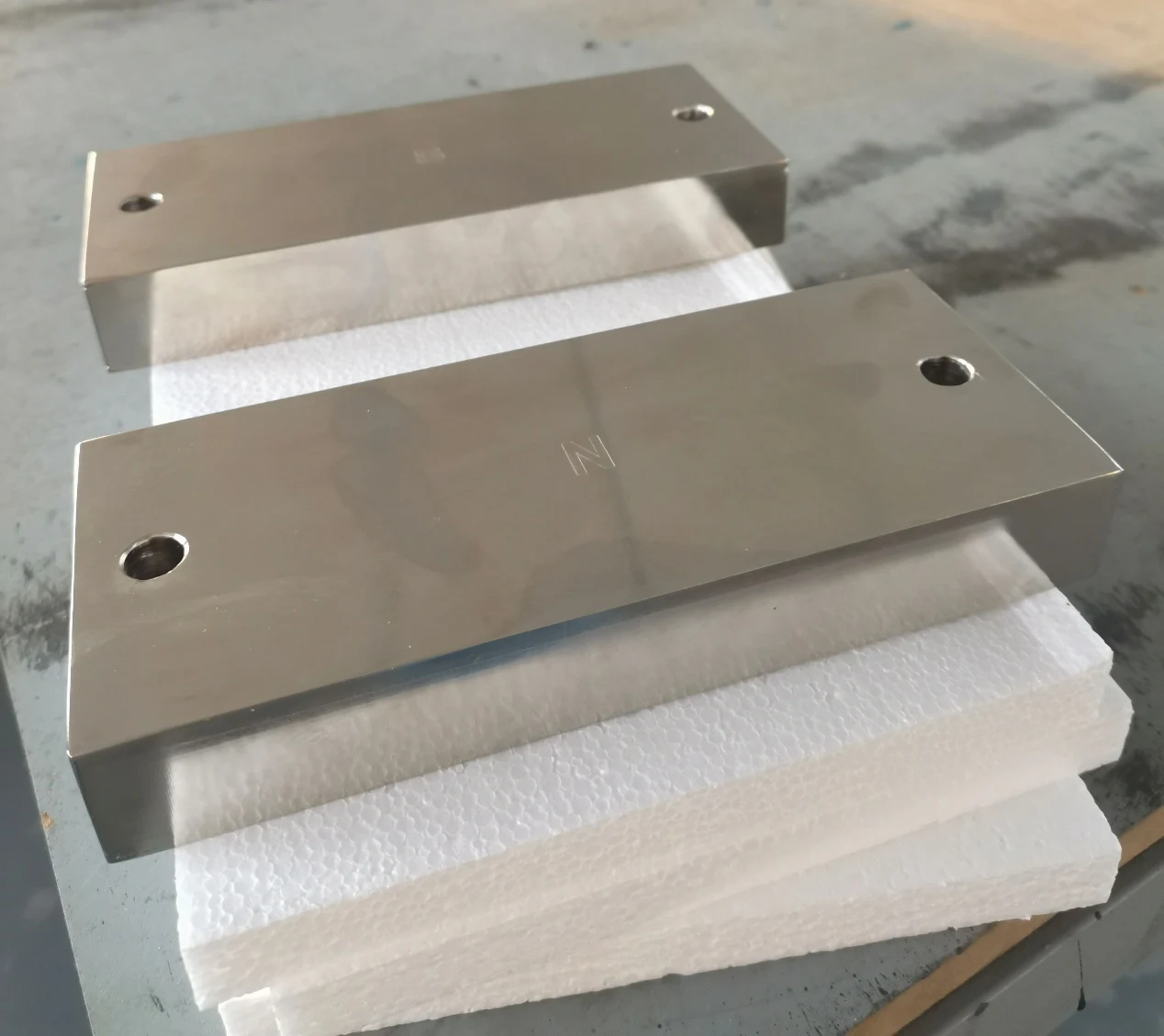
Custom magnetic assemblies for subsea equipment, recovery and holding tools. We combine pre-magnetized arrays, stainless-steel housings and epoxy encapsulation with precision finishing of the working face—from prototype review to repeat production.
Product Overview
Subsea holding applications require magnetic force, corrosion protection and repeatable mechanical contact to work together. We manufacture drawing-based assemblies that enclose the magnet array in a stainless-steel housing, with protective coatings on the individual magnets and epoxy encapsulation around the array.
Our factory controls magnet machining, metal cutting and grinding, welding and assembly as a connected manufacturing route. This allows the magnetic layout, enclosure and final working surface to be coordinated throughout prototype development and production.
Configuration and Specification
The design starts with the target surface and operating conditions. We review the complete assembly rather than selecting a magnet from pull-force figures alone.
| Parameter | Project input | Manufacturing focus |
|---|---|---|
| Holding requirement | Required pull force, load direction and release method | Array arrangement and agreed pull-test conditions |
| Contact surface | Steel material, thickness, curvature, coating and working gap | Working-face geometry and flatness |
| Assembly envelope | Overall dimensions, mounting holes and datums | Housing machining, alignment and installation fit |
| Corrosion protection | Water exposure, temperature and immersion duration | Ni-Cu-Ni plus epoxy coating, encapsulation and housing material |
| Subsea conditions | Operating depth, pressure cycles and service life | Project-specific enclosure and qualification requirements |
| Acceptance criteria | Dimensional tolerances, magnetic tests and quantities | Prototype approval and repeat-production inspection |
Core Manufacturing Challenges
1. Assembling a Pre-Magnetized Array
The array is magnetized before it is installed in the stainless-steel housing. Strong attraction and repulsion make positioning, polarity control and protection of the magnet edges demanding. We plan the assembly sequence and use controlled fixturing to retain alignment while the pre-magnetized components are brought together.
This is a critical difference from assembling unmagnetized parts: the magnetic forces are already present during installation. Fixture design and experienced handling are part of the manufacturing process, not an afterthought.
2. Building Corrosion Protection into the Assembly
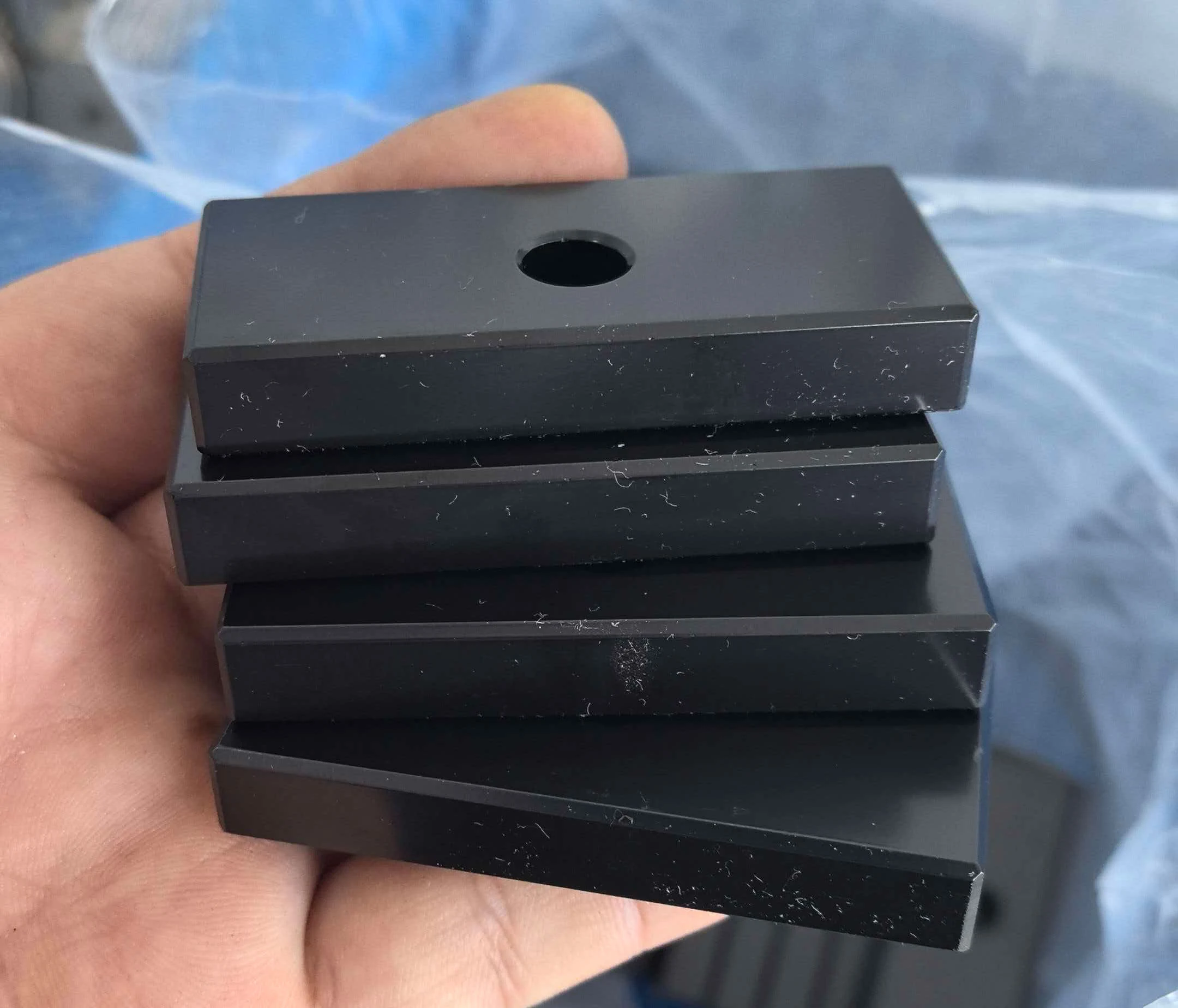
The individual magnet blocks use Ni-Cu-Ni plus epoxy protection. The array is then encapsulated in epoxy within the stainless-steel housing. Coating coverage, resin filling and control of trapped air are treated as connected steps, because a housing alone does not resolve every potential path for water ingress.
3. Finishing the Working Face Under a Strong Magnetic Field
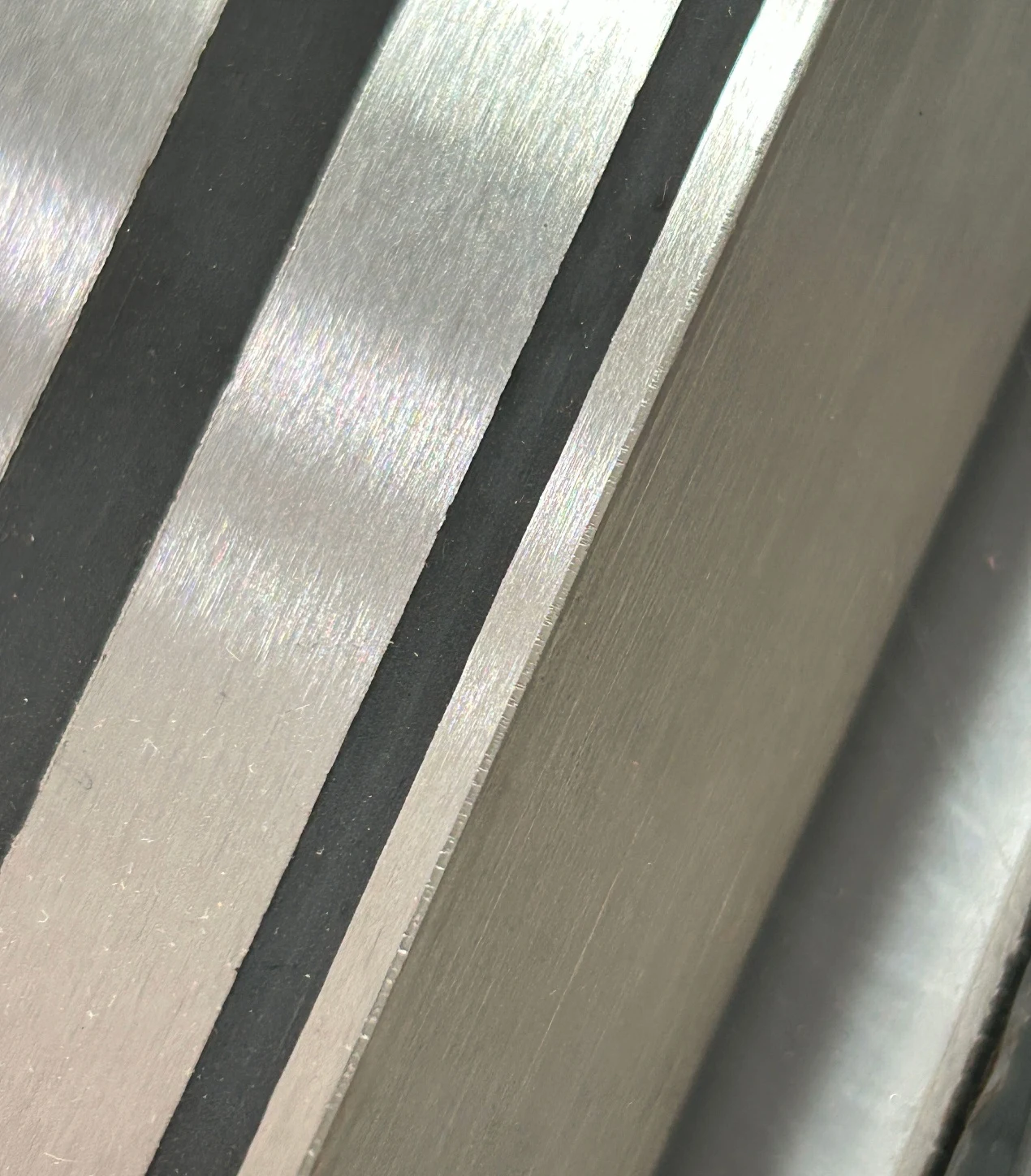
After encapsulation, the working face must be finished to the specified flatness. An uneven face introduces a contact gap and can reduce the available holding force. Precision grinding is especially demanding because the completed array remains strongly magnetized.
Our project experience centres on coordinating the equipment, holding fixture and grinding process for these assemblies. Final finishing is reviewed together with the housing and encapsulation so the contact geometry is controlled without treating surface appearance as proof of magnetic performance.
4. Keeping Housing Fabrication and Magnetic Assembly Aligned
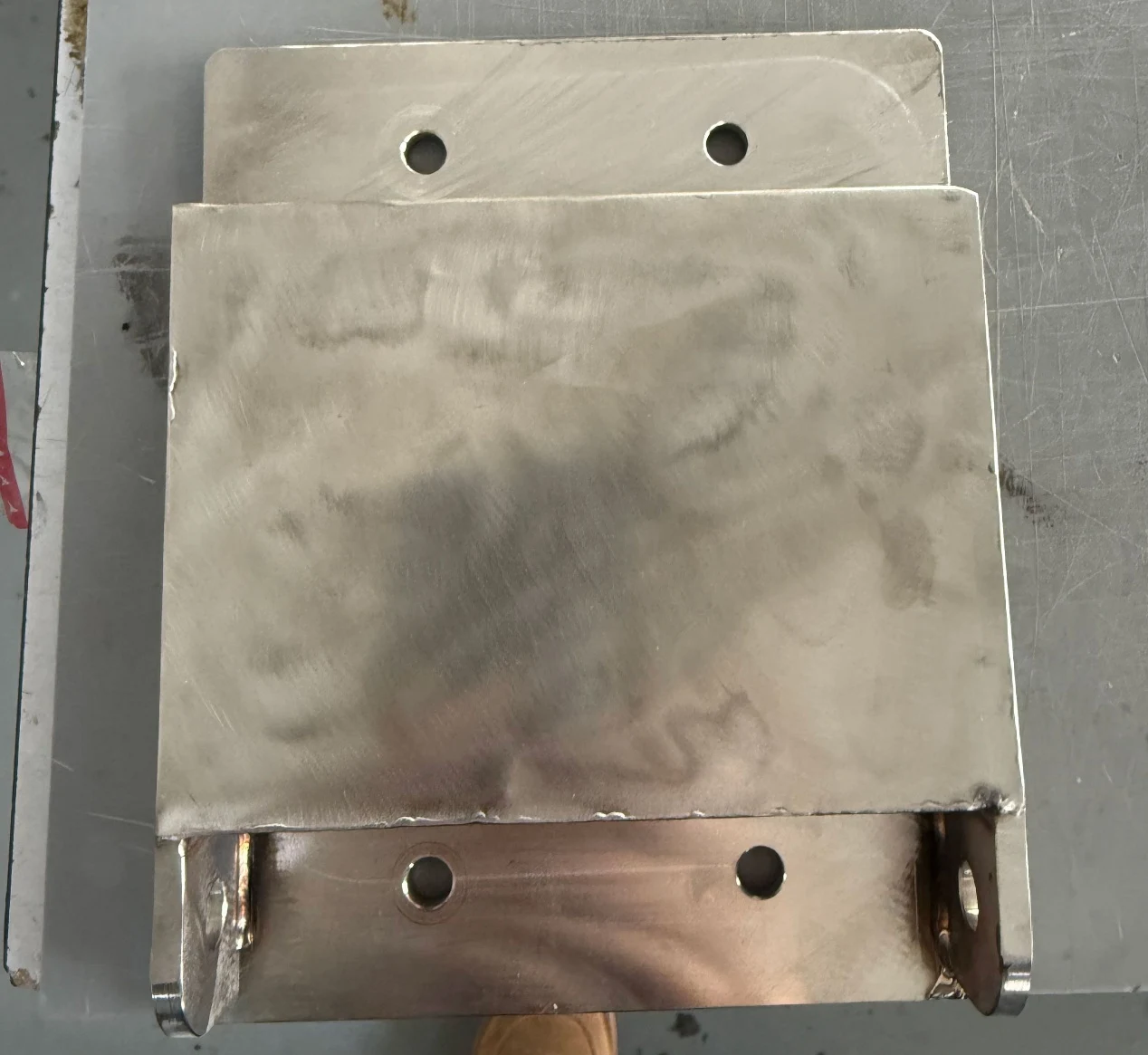
Cutting, grinding and welding the enclosure affect mounting fit and the finished contact plane. We coordinate these operations with array installation and encapsulation, checking the interfaces that will matter when the tool is fitted to the equipment. Drawing revisions and agreed inspection records support traceability from sample to repeat orders.
Manufacturing and Quality Control
- Review the application: agree the target surface, holding requirement, operating conditions and critical dimensions.
- Prepare magnets and hardware: control magnet geometry, protective coating, housing features and mounting datums.
- Assemble and encapsulate: verify polarity and positioning, then control resin filling and curing.
- Finish and inspect: check the working-face flatness, assembly dimensions and visible condition.
- Verify against the agreed method: define pull direction, target steel, contact gap and test setup before comparing prototype and production results.
Holding force and service depth are confirmed for the specific design and test conditions. Qualification for pressure, immersion and repeated use is agreed during project review; a pull-off test alone is not a subsea working-load rating.
Typical Applications
Custom holding modules for seabed exploration equipment, magnetic recovery tools and temporary positioning on ferromagnetic structures. Mounting arrangement, target geometry and release requirements are reviewed for the complete equipment design.
Engineering Questions
Can you support a prototype before repeat production?
Yes. Send the drawing or initial envelope together with the holding target and operating conditions. We review the array, housing, encapsulation and finishing route so prototype findings can be carried into the production specification.
Why does flatness matter to holding force?
Flatness influences contact with the target surface. The actual gap also depends on target curvature, coating and surface condition, so the working face and pull-test setup must be specified together.
Does the stainless-steel housing define the depth rating?
No. Depth capability depends on the complete design, materials, sealing and qualification conditions. Provide the intended depth, pressure cycles and immersion duration so the required validation can be agreed.
What should I send for a quotation?
Please provide a drawing or sample, dimensions and mounting details, required holding force and load direction, target steel and surface condition, service depth and temperature, exposure duration, release method, and prototype and annual quantities.
Discuss your drawing through our enquiry page. Explore magnetic assemblies or return to Applications for other equipment needs.