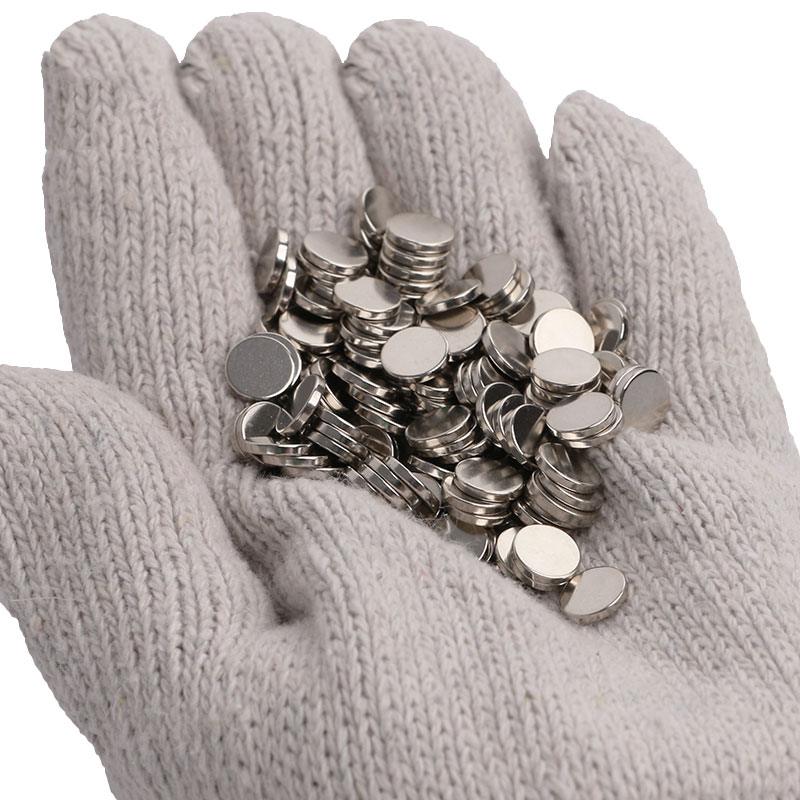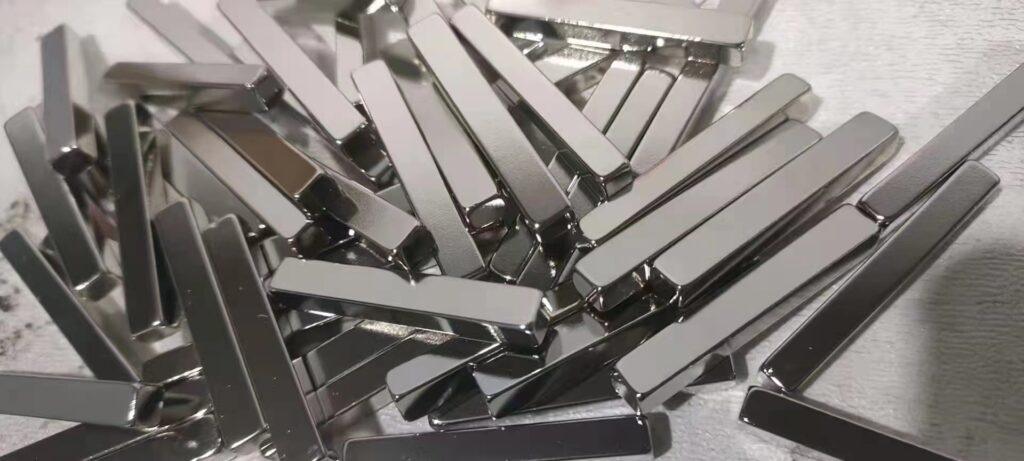
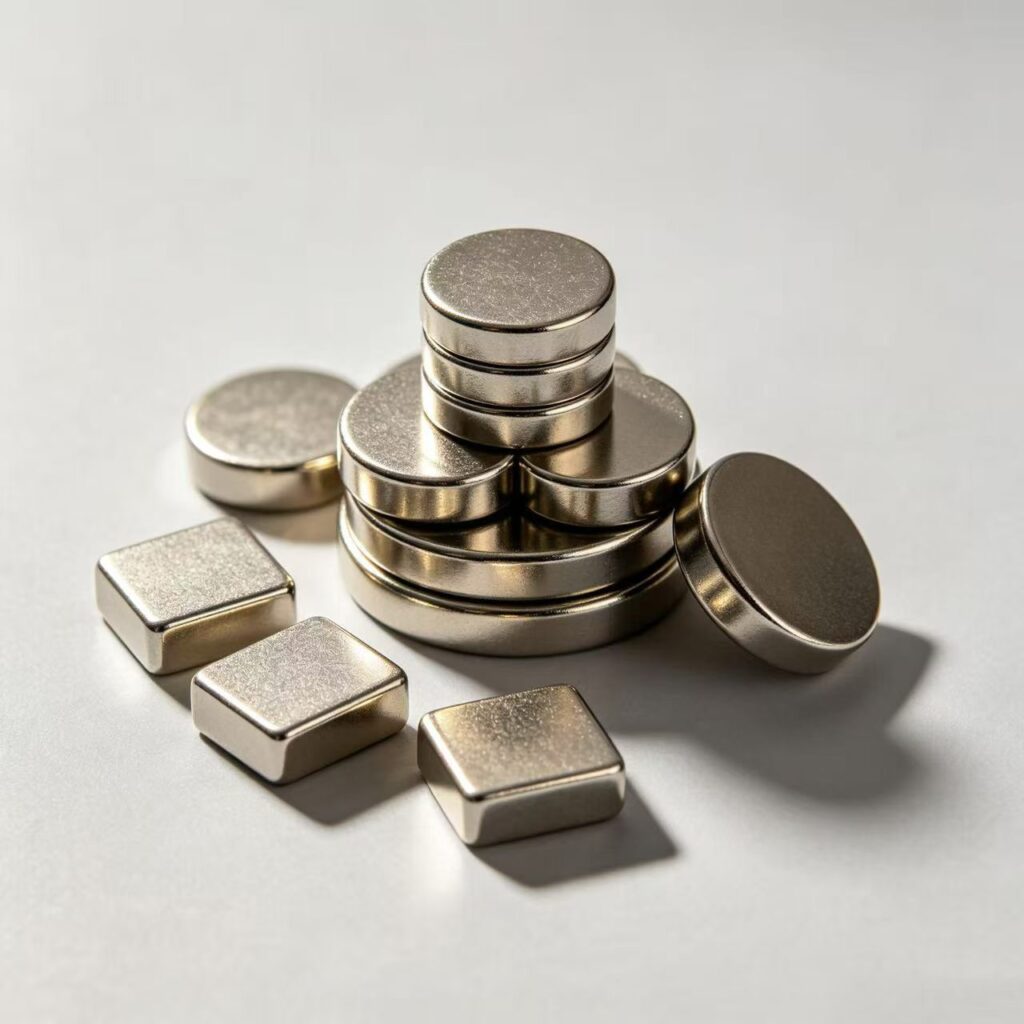
Buyers often ask why NdFeB magnet quotations remain firm even when one rare-earth index appears to soften. The short answer is that a finished magnet price is not a direct copy of a single neodymium or NdPr oxide chart. It reflects a concentrated mine-to-magnet value chain, grade-specific alloy chemistry, export and compliance risk, processing yield, energy, labor, coating, magnetization, quality control, and the timing of raw-material purchases.
Key takeaway: the 2026 NdFeB market carries both material cost and supply-security cost. The premium is highest for grades and delivery routes exposed to heavy rare earths, licensing, tight qualification, or limited alternative capacity.
1. Demand for Magnet Rare Earths Keeps Expanding
The International Energy Agency reported in April 2026 that demand for magnet rare earths—neodymium, praseodymium, dysprosium, and terbium—has doubled since 2015 and is expected to grow by more than 30% by 2030 under current policy settings. Electric vehicles, wind turbines, industrial motors, robotics, automation, data centers, aerospace, and defense all compete for high-performance permanent-magnet supply.
This demand is not evenly distributed across grades. High-coercivity materials for traction motors, compressors, aerospace actuators, and high-temperature equipment can require more demanding process control or additions of dysprosium and terbium. Their cost behavior can differ substantially from a standard room-temperature N-grade block magnet.
2. The Supply Chain Remains Highly Concentrated
Rare-earth ore must pass through beneficiation, chemical separation, oxide production, metal refining, alloying, powder preparation, pressing, sintering, machining, coating, and magnetization. Capacity at one stage cannot immediately replace a shortage at another.
The IEA estimates that China accounted for about 60% of mined magnet rare earth production, 91% of refined output, and 94% of sintered permanent magnet production in 2024. New projects are developing elsewhere, but refining, metallization, and qualified magnet manufacturing remain slower to diversify than mining.
3. Export Controls Added a Risk Premium
Export controls introduced in 2025 on selected heavy rare earth elements, related products, and magnets made concentration risk visible to downstream manufacturers. The IEA reported sharp export-volume declines in April and May 2025, followed by a recovery as licenses were granted. Even after volumes improved, buyers outside China faced elevated delivered prices and a stronger focus on supply security.
Licensing does not affect every NdFeB shipment in the same way, but uncertainty can change inventory policy, lead time, documentation, and regional premiums. Buyers may pay more for qualified non-China supply or for buffer stock that reduces interruption risk.
4. NdPr Is Only Part of the Alloy Cost
NdPr oxide is a major reference for standard NdFeB, but the finished alloy also contains iron, boron, and grade-dependent additions. High-temperature grades may use dysprosium, terbium, cobalt, or other alloy and diffusion strategies. Heavy rare earths are used in smaller quantities but can have a disproportionate effect on cost.
Two magnets with the same maximum energy product can therefore have different prices if their intrinsic coercivity, temperature capability, corrosion performance, or process route differs.
5. Environmental and Production Discipline Limit Low-Cost Supply
Rare-earth mining and separation are chemically intensive. Environmental compliance, waste treatment, traceability, energy, and responsible production add real cost but are necessary for sustainable supply. Uncontrolled low-cost capacity is not a reliable benchmark for long-term industrial procurement.
At the magnet plant, high-quality sintered NdFeB requires controlled atmosphere, powder handling, orientation, sintering, heat treatment, machining, coating, and magnetic inspection. Tight tolerances and low defect rates require stable equipment and experienced process teams.
6. Processing Yield Can Dominate a Difficult Part
A raw-material index is quoted by weight, but customers buy finished geometry. Thin arcs, small rings, deep holes, tight parallelism, fragile edges, or complex magnetization can reduce yield. Machining dust and offcuts may be recycled, but recovery is not immediate or loss-free.
For a high-volume precision part, tooling, inspection time, coating racks, automated assembly, and rejected pieces can influence cost as much as a short-term movement in NdPr.
7. Quotation Timing Creates a Lag
Magnet manufacturers purchase oxide, metal, or alloy at specific times and often hold work-in-process. A finished-part quotation may reflect committed inventory rather than today’s spot quote. When raw-material prices rise quickly, quotations usually adjust rapidly; when they fall, the reduction may appear later as higher-cost inventory moves through production.
Exchange rates, freight, packaging, magnetic shielding, tariffs, financing, and payment terms further separate the delivered price from a domestic material index.
Why Your Quotation May Differ From a Market Chart
- The chart may show oxide, while the quote is for alloy or finished magnets.
- The grade may include heavy rare earths or grain-boundary diffusion.
- The supplier may lock raw material for the order or quote-validity period.
- Machining yield, coating, testing, and magnetization vary by drawing.
- Small orders carry setup and minimum-batch costs.
- Delivered pricing includes logistics, documentation, and regional risk.
What Buyers Can Do
Specify performance instead of automatically selecting the highest grade
Share the magnetic circuit, operating temperature, air gap, reverse field, and target output. A lower-cost grade may work if geometry or flux concentration is optimized. Conversely, an apparently cheaper grade can fail if it lacks coercivity margin.
Separate raw-material adjustment from conversion cost
For repeat programs, agree on a transparent adjustment mechanism tied to relevant material inputs while keeping machining, coating, assembly, and quality costs visible. This reduces arguments caused by comparing unlike indices.
Improve forecast and order visibility
Forecast sharing allows the supplier to plan alloy batches, reserve coating capacity, and reduce emergency freight. Blanket orders or scheduled releases can improve continuity when demand is stable.
Approve alternatives before a disruption
Evaluate alternative grades, coatings, dimensions, diffusion routes, or assembly concepts during normal development. Any change must be validated against the finished product’s magnetic, thermal, corrosion, and mechanical requirements.
Outlook for 2026 Buyers
Prices can still move down or up in the short term, and different grades will not follow the same path. However, persistent demand growth, concentrated refining and magnet production, trade controls, and the slow build-out of qualified alternative capacity mean that volatility and regional premiums are likely to remain important procurement factors.
The best response is a technically complete RFQ, a realistic material-adjustment method, batch traceability, and a supply plan matched to the part’s business impact.
Frequently Asked Questions
Will NdFeB prices fall if NdPr oxide falls?
They may, but not immediately or proportionally. Inventory timing, grade chemistry, heavy rare earths, conversion cost, yield, exchange rates, and logistics all affect the finished price.
Are high-temperature grades always more expensive?
Usually they carry a premium because they require higher coercivity and sometimes costly heavy-rare-earth strategies. The size of the premium depends on grade, process route, and market conditions.
How long should a magnet quotation remain valid?
Validity depends on material volatility and order structure. For volatile grades, a shorter validity or an agreed index-adjustment mechanism is often more realistic than a long fixed-price promise.
Guande Magnet supports material optimization, custom NdFeB manufacturing, magnetic assemblies, and repeat-production planning. Send your grade, drawing, temperature, coating, magnetization direction, quantity, and schedule for a production quotation.